
 Image 1 of 5
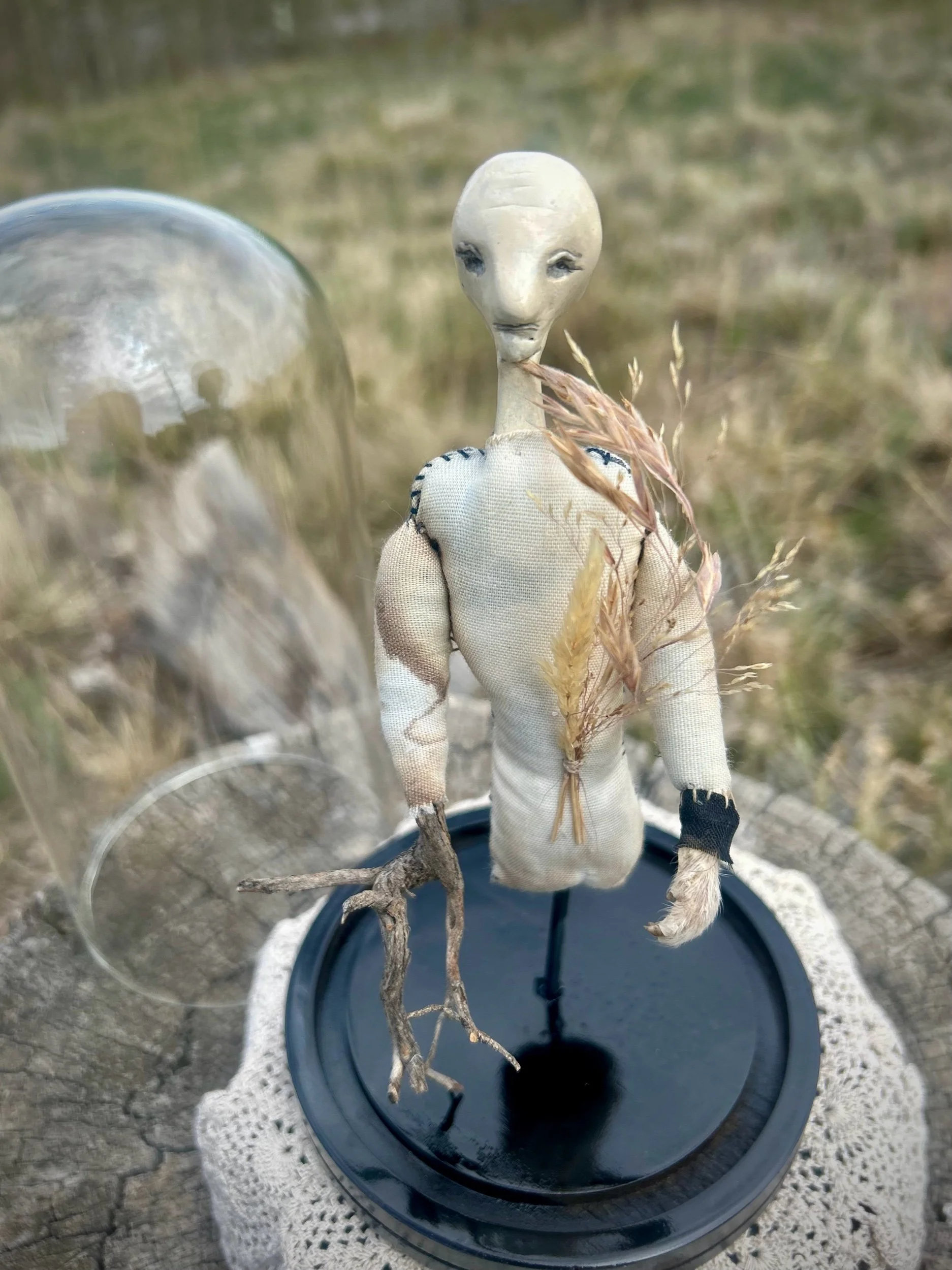 Image 2 of 5
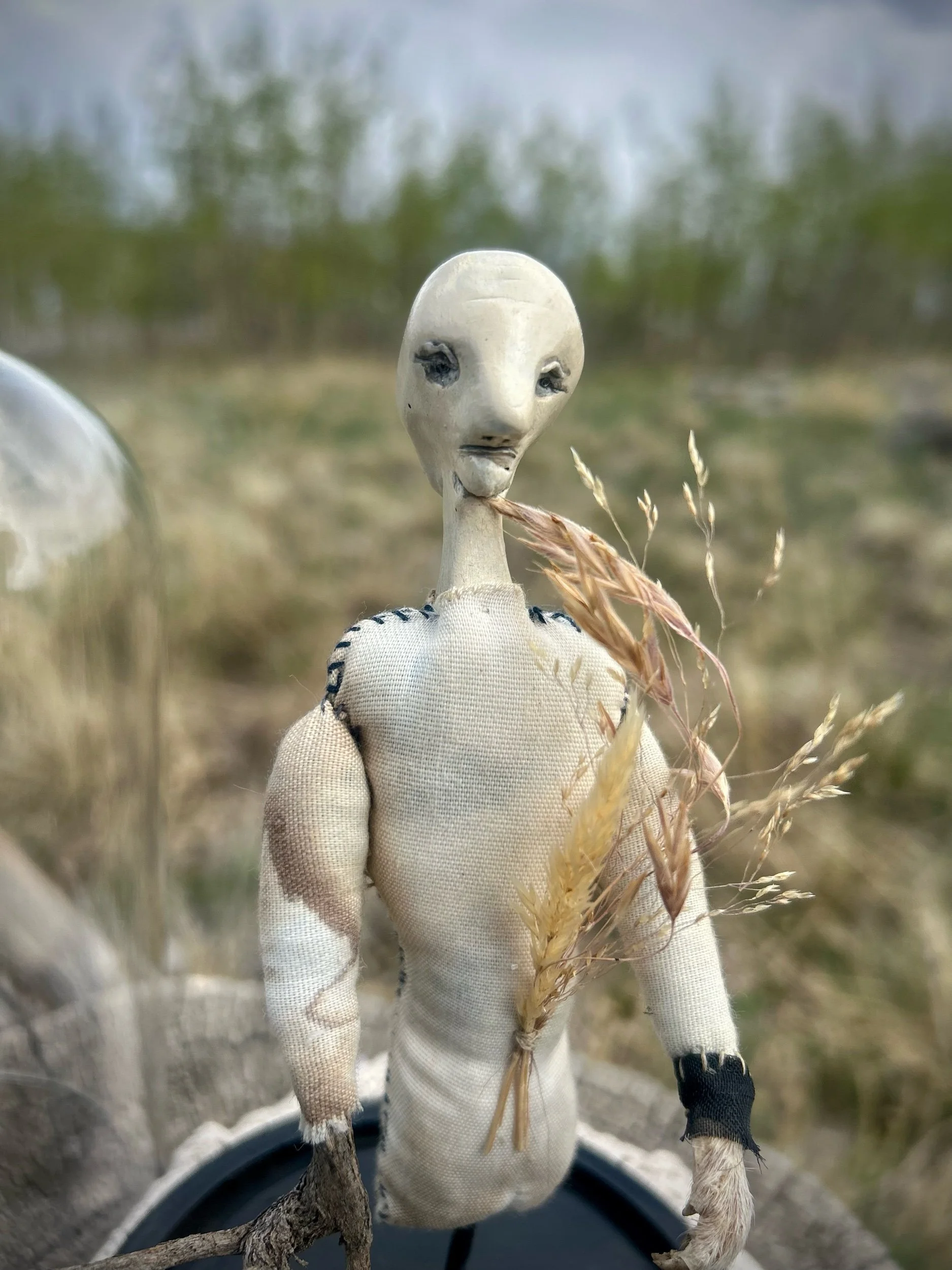 Image 3 of 5
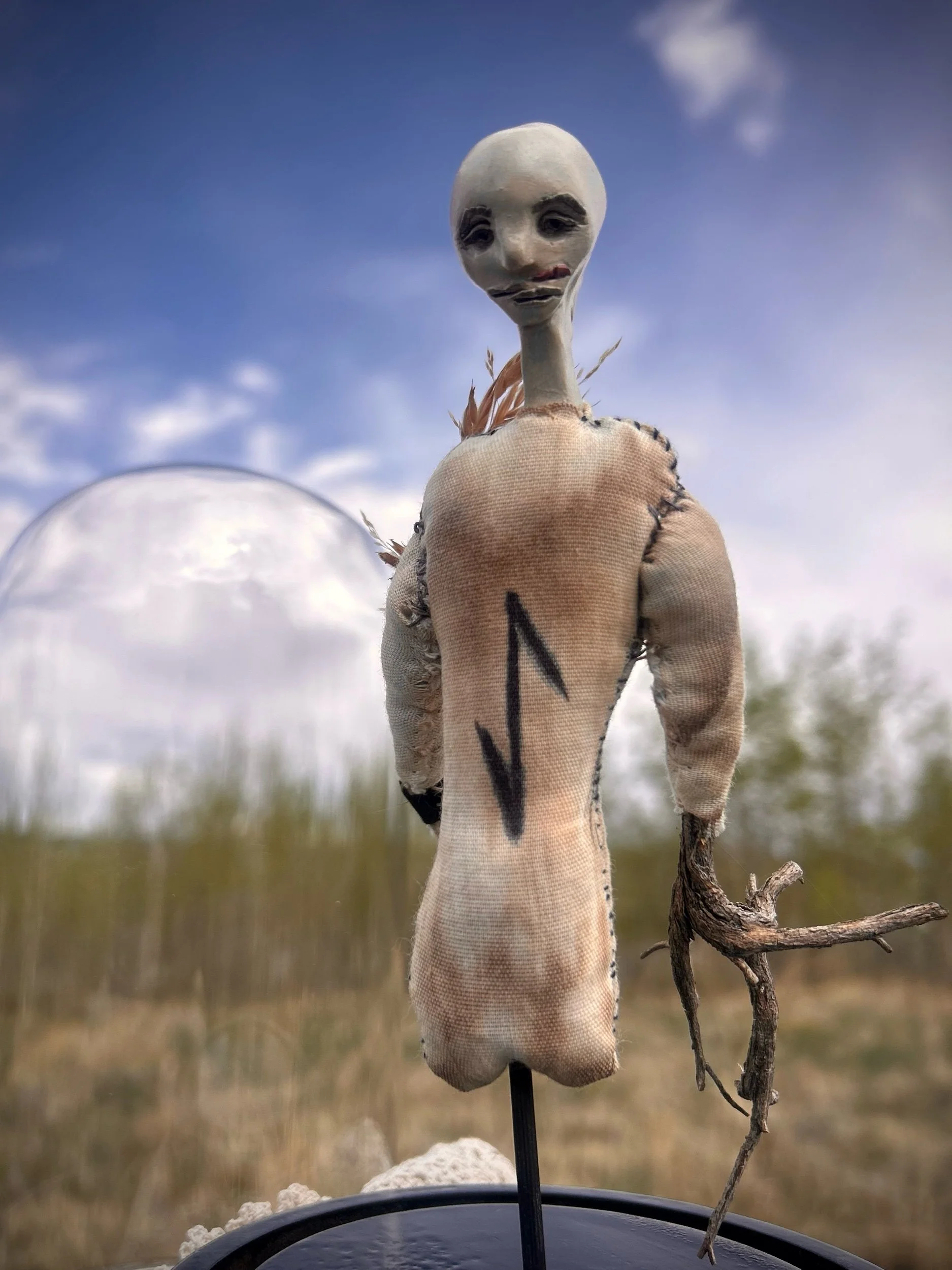 Image 4 of 5
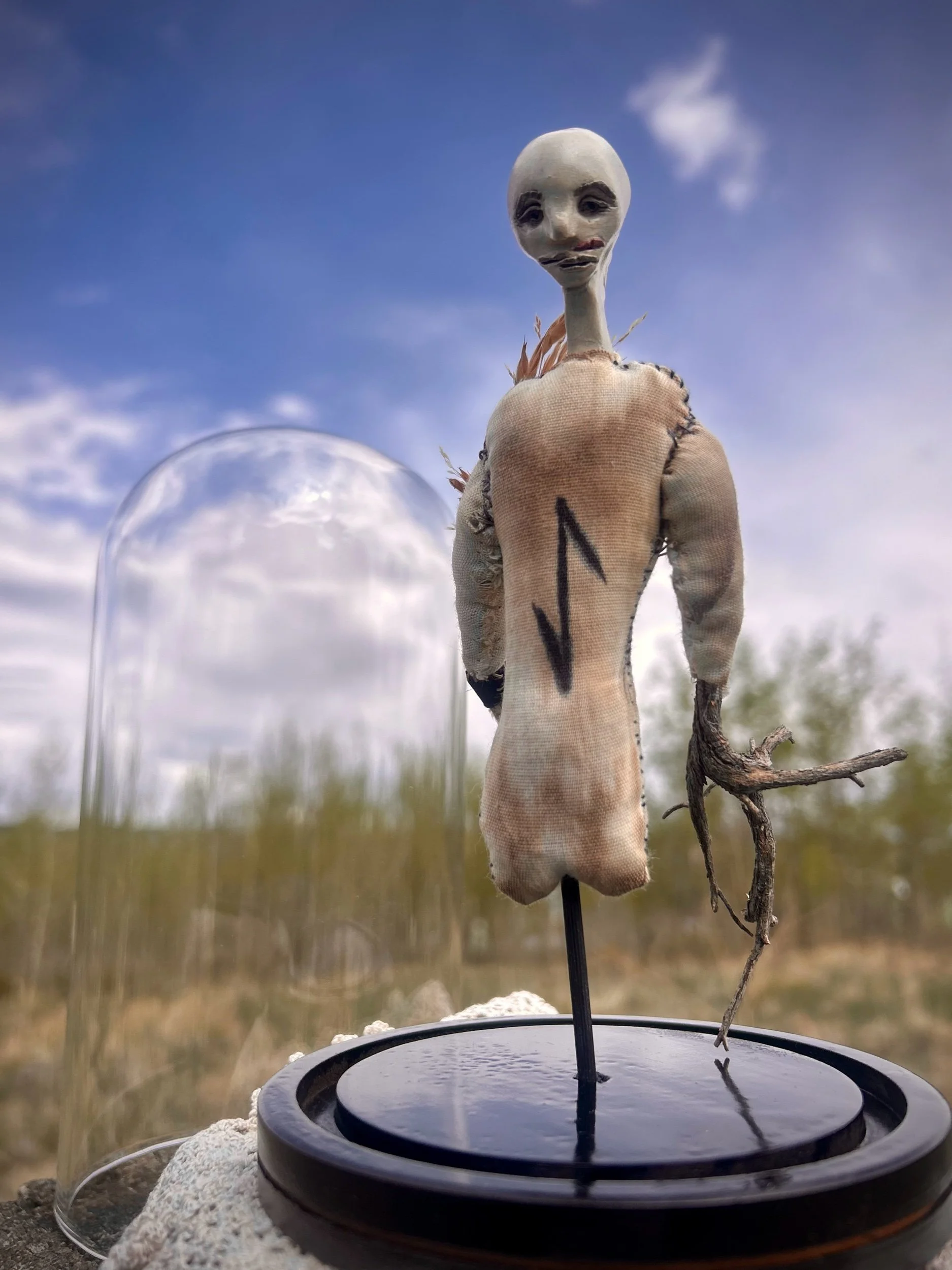 Image 5 of 5
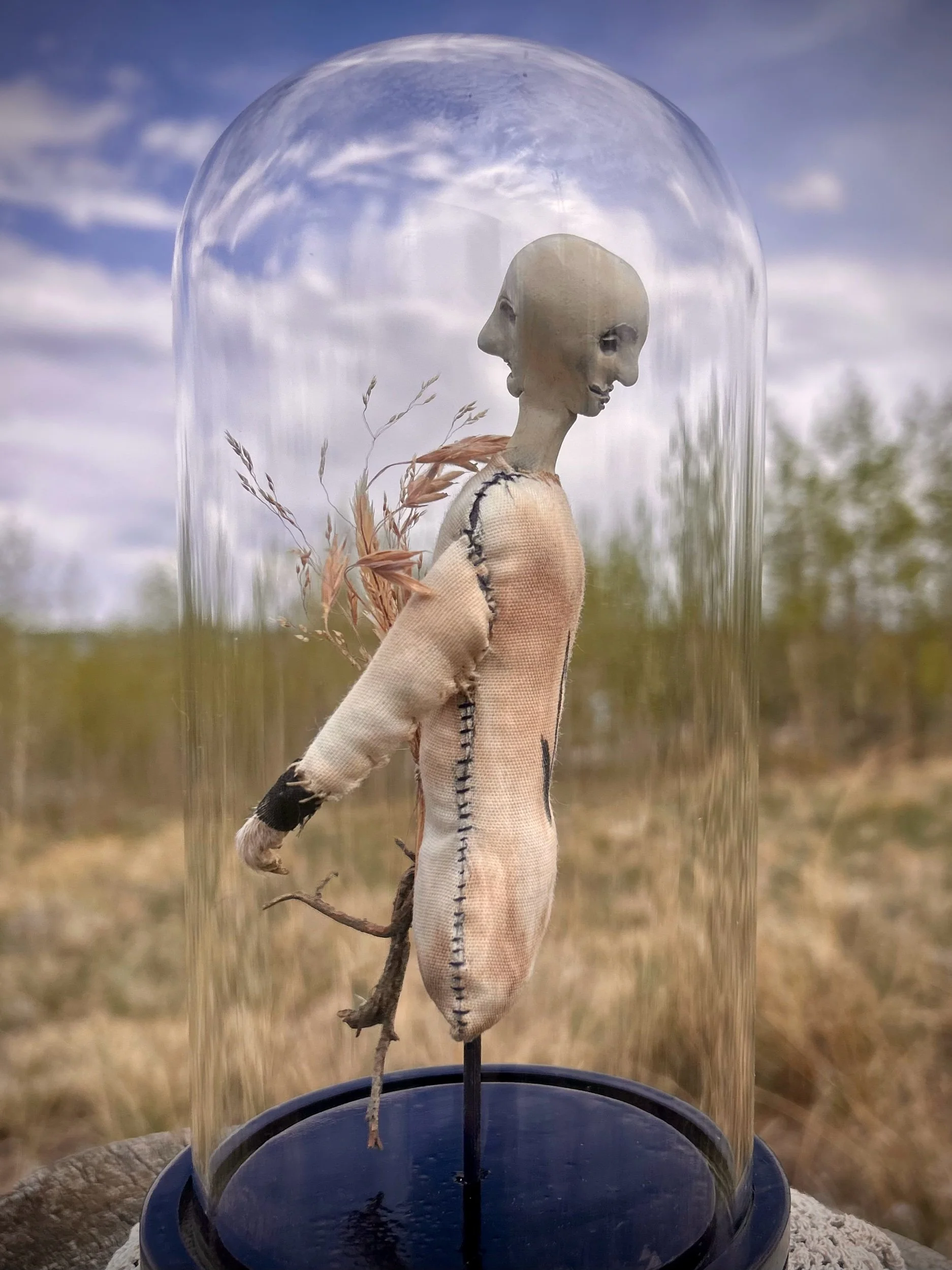
Two faces, one soul: the tragic tale of Edward Mordake capturing the beauty of otherness and the horror of relentless secrets.
This piece reinterprets the urban legend of Edward Mordake—a 19th-century tale about a man rumored to have a second, whispering face on the back of his head. Though fictional, the story resonates as a metaphor for inner conflict, unwanted voices, and the cruelty of social isolation. The work explores duality, shame, and the longing for understanding, asking observers to consider how we respond to otherness and the hidden struggles people carry.
The Edward Mordake story is a late-19th-century urban legend about a young English nobleman who supposedly had a second face on the back of his head. That “face,” according to the tale, could whisper, laugh, and cry—tormenting him with unwanted thoughts and driving him to beg doctors to remove it. The legend ends with Mordake’s suicide and a note that no surgeon would operate; some versions add that a hospital catalogued him as insane.
The tale first circulated in popular newspapers and penny–weeklies in the 1890s (often cited is an 1895 Boston Post item) and was later repeated in collections of oddities and Ripley’s Believe It or Not. No contemporaneous medical or archival records have been found to verify Mordake’s existence, and historians consider the story fictional or a journalistic hoax.
Probable inspirations include real, rare congenital conditions (e.g., craniofacial duplication or a parasitic twin), Victorian fascination with medical curiosities, and themes about duality, identity, and social stigma.
Two faces, one soul: the tragic tale of Edward Mordake capturing the beauty of otherness and the horror of relentless secrets.
This piece reinterprets the urban legend of Edward Mordake—a 19th-century tale about a man rumored to have a second, whispering face on the back of his head. Though fictional, the story resonates as a metaphor for inner conflict, unwanted voices, and the cruelty of social isolation. The work explores duality, shame, and the longing for understanding, asking observers to consider how we respond to otherness and the hidden struggles people carry.
The Edward Mordake story is a late-19th-century urban legend about a young English nobleman who supposedly had a second face on the back of his head. That “face,” according to the tale, could whisper, laugh, and cry—tormenting him with unwanted thoughts and driving him to beg doctors to remove it. The legend ends with Mordake’s suicide and a note that no surgeon would operate; some versions add that a hospital catalogued him as insane.
The tale first circulated in popular newspapers and penny–weeklies in the 1890s (often cited is an 1895 Boston Post item) and was later repeated in collections of oddities and Ripley’s Believe It or Not. No contemporaneous medical or archival records have been found to verify Mordake’s existence, and historians consider the story fictional or a journalistic hoax.
Probable inspirations include real, rare congenital conditions (e.g., craniofacial duplication or a parasitic twin), Victorian fascination with medical curiosities, and themes about duality, identity, and social stigma.